


Study to shew thyself approved unto God, a workman that needeth not to be ashamed, rightly dividing the word of truth.
— 2 Timothy 2:15
Archive
- Baptism
- Beatitudes
- Big Picture
- Calling
- Christian Marriage
- Closer to God
- Contention
- Creation
- Dating
- Fear
- Fight
- Flight
- Foregiveness
- Forgiveness
- Freeze
- Giving
- Holy Ghost
- Hope
- Love
- Manhood
- Miracles
- New Life
- Peace
- Praying
- Relationship with Jesus
- Repentance
- Salvation
- Sermon no the Mt
- Strong Holds
- Suffering
- Thankfulness
- Worry

Light of the World
The way I behaved added to each African’s idea of what a white person was, what an American was. In fact, one of the Peace Corps’s main goals was to expose the world’s other cultures to Americans, assuming, of course, that the representatives they sent would shed good light on Americans in general. I’ve already written about some of my bad behavior. This is one of them I can’t help but think of with shame.
The Blessed Ones
There were no accommodations for rent. It was a rural village with no electricity except for the border guards’ station, which ran on its own generator. Surrounding it was a mud-hut village that looked like a photograph from National Geographic magazine. Beautiful in its way, but not exactly set up for overnight guests.
A Change in Perspective
There is a principle in our faith that contradicts our basic, natural beliefs. Summed up in St. Francis’s prayer — We must give in order to receive. Love in order to be loved. Die in order to live. These are not ideas that come easily. They are truly against a our in-born desires to protect ourselves and avoid pain and, because of that, they are easy to reject. I have been especially stubborn in this area. It was not until my late fifties that I began to understand them.
When Giving Doesn’t Change Anything
We were poor; much of it was made worse by my stepfather’s alcoholism. My feelings toward him were complicated. During my senior year in high school, I went to school in the morning and worked full-time, second shift in the factory where he worked. I wanted his approval, but I also resented him. I resented that I had to work, that I gave up sports and time with friends, that I had to buy my own clothes and help with groceries. Still, I wanted him to accept me as his son. I wanted him to be a father to me.

Fighting Fire with Fire isn’t Strength
“You’ve got to fight fire with fire.” I don’t know how many times I heard that growing up; as a boy and as an adult. Here’s what it meant: if you don’t meet offense with equal or greater force, you’ll be taken advantage of for the rest of your life. Like many, I took it to heart.
That Time I was a Hypocrite
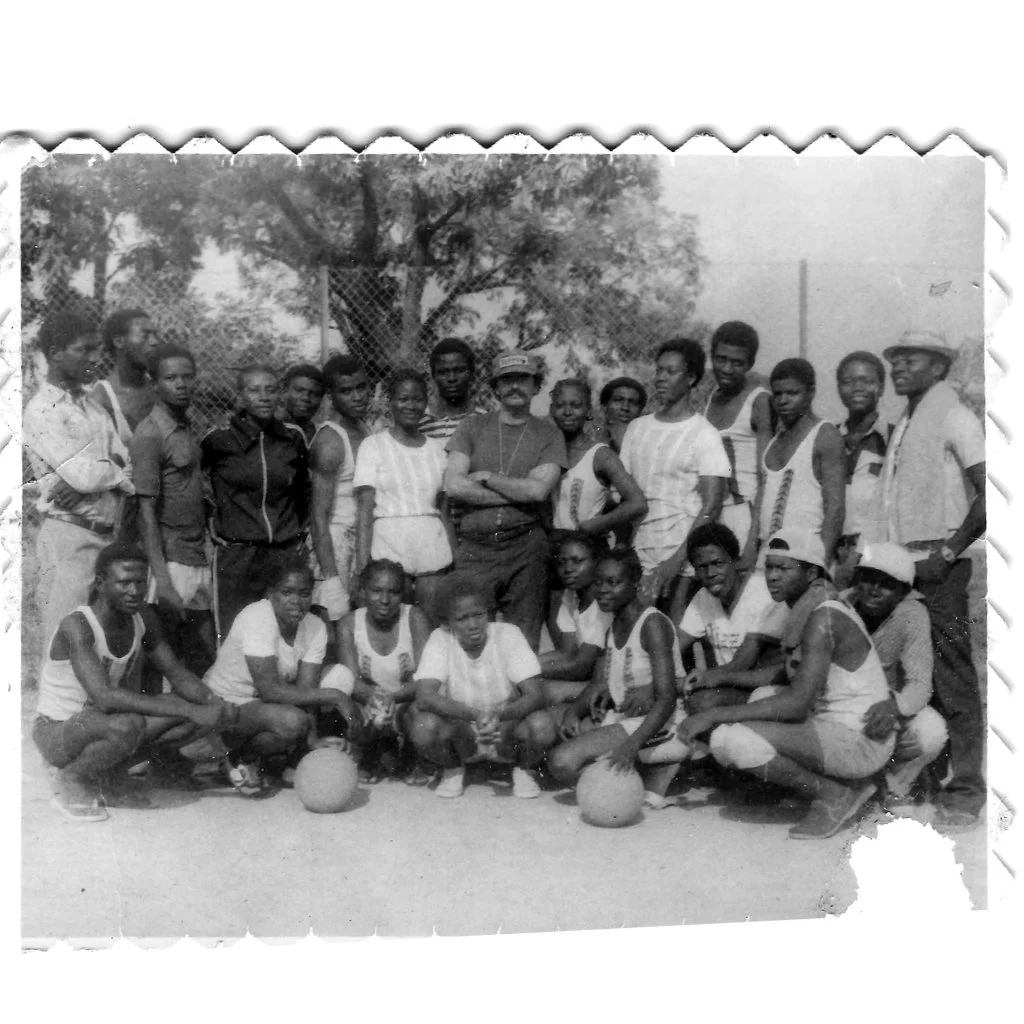
Many years ago, I was teaching math and education at a teacher’s college in Ghana. Each year the local schools held a basketball tournament. It wasn’t like tournaments in the United States. The courts were outdoor concrete slabs in rough condition. There were no bleachers. The lines were painted, but I doubt the dimensions were exact.
Findiing Peace Where Good & Evil Grow Together
One of my favorite TV shows of all time was Firefly. It was a space western. That may sound like a contradiction, but it worked. Unlike most science fiction shows, there were no humans in makeup pretending to be aliens. The story centered on people who left “Earth-that-was” and settled in other parts of the galaxy. There was space travel and planet development, but the real focus was on people and how they handled their environment and culture.
Miracles or Reality? A Story from West Africa
Back in the 1980s, when I was serving as a Peace Corps Volunteer in Ghana, I lived in the Northern Region in a small town called Tamale. The economic situation in the country was bad. The currency, the cedi, had a fixed official exchange rate of three cedi to one U.S. dollar. That rate wasn’t realistic. Goods were priced according to the black market rate, which was closer to one hundred cedi to a dollar.
Why Hasn’t He Fallen Apart?
Our political systems cause more anxiety than security. Violence seems normal as it’s a minute by minute part of the news cycle. The economy feels fragile and families work multiple jobs just to survive. The weather is increasingly unpredictable. Wars and rumors of war are constant just as they always have been. Now as then, the world is still too chaotic to explain hope.
Why Biblical Hope Takes Time
For most of my life, faith and hope were words I heard other people use, but they weren’t real for me. As a child, I suppose I had what some would call a child’s faith, the kind that comes from not yet knowing yet how chaotic the world can be. That innocent faith didn’t last long. When I was seven, my mother remarried an alcoholic, and overnight my world became unpredictable. Trusting anyone felt unreasonable, and hope wasn’t even an option. After all, hope requires some evidence that looking forward won’t reveal a worse nightmare.
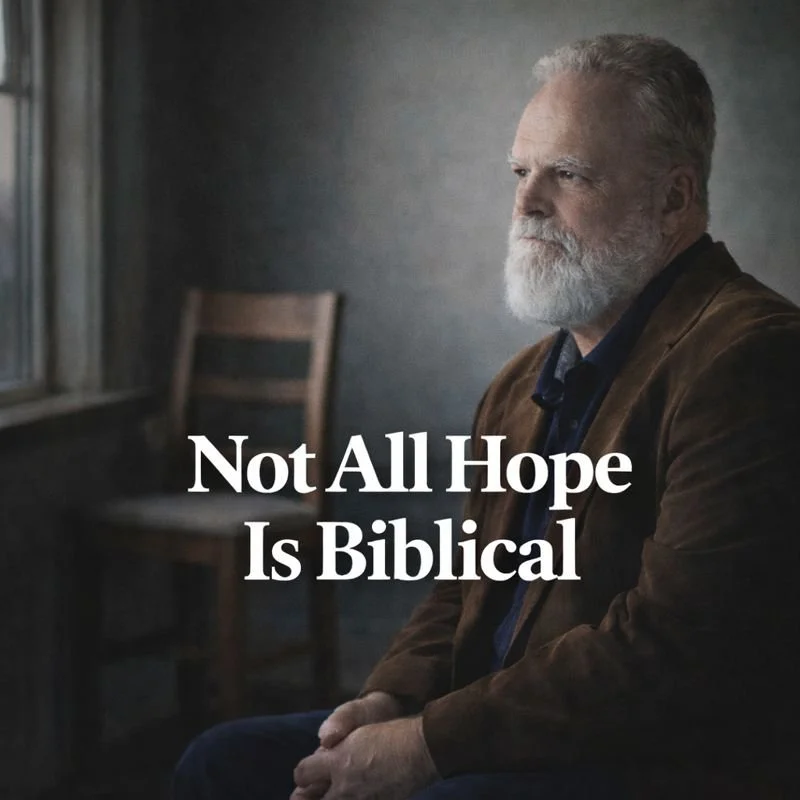
Some Hope Fails You
I’ll call him Forrest. He was a good guy, neither reckless, nor cruel, nor nor an atheist. He believed in God. But he wasn’t patient enough to think things through. He wanted results sooner than wisdom usually requires, and without the obedience that faith demands. It never entered his mind that he was impatient. He believed he was hopeful. He also believed that acting on hope was what you were supposed to do, right?.
Living Forward” A New Life, Not a New List of Resolutions
I’ve started my life over more times than most people would consider reasonable. Enough times, really, that I stopped considering it ‘starting over’ and started thinking that packing up and moving on, was normal. I guess you could call me a kind of a nomad. The thing is, I didn’t know what I was looking for, only that wherever I was it never seemed to be the final place. It began in New York State, leaving my family’s crowded apartment for my own small hole in the wall while working in a grocery store. Then on to college where I rubbed elbows with elites, then further still, across an ocean, to Africa as a teacher trainer.
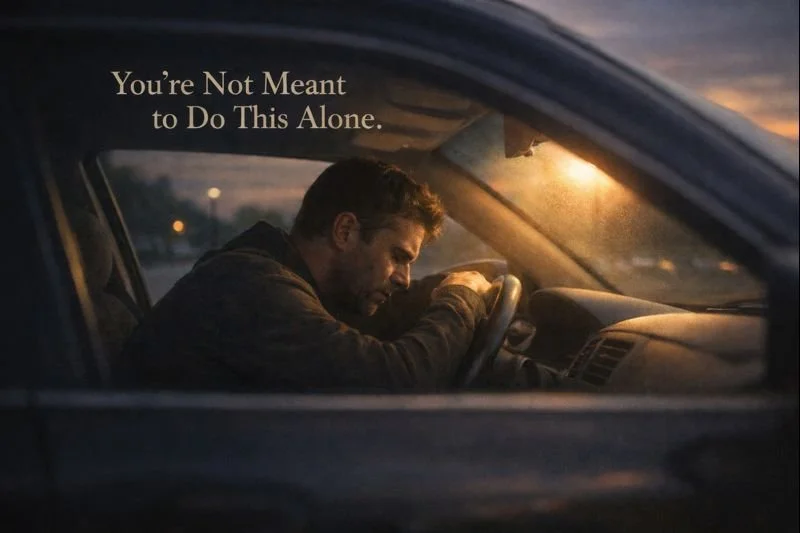
Power Beyond Willpower
People who know me understand that I’m not an extrovert. I’m far more content sitting alone in a comfy chair with a good book than I am standing in a crowded room making small talk. Even some of my professors noticed it. In organic chemistry, we were required to write detailed notes and observations during experiments. My professor, himself a quiet and thoughtful man, was always urging me to write more than I did. One day he scribbled in the margin of my notebook, “Stan, you’ve got to stop being a man of few words.”

After the Burial
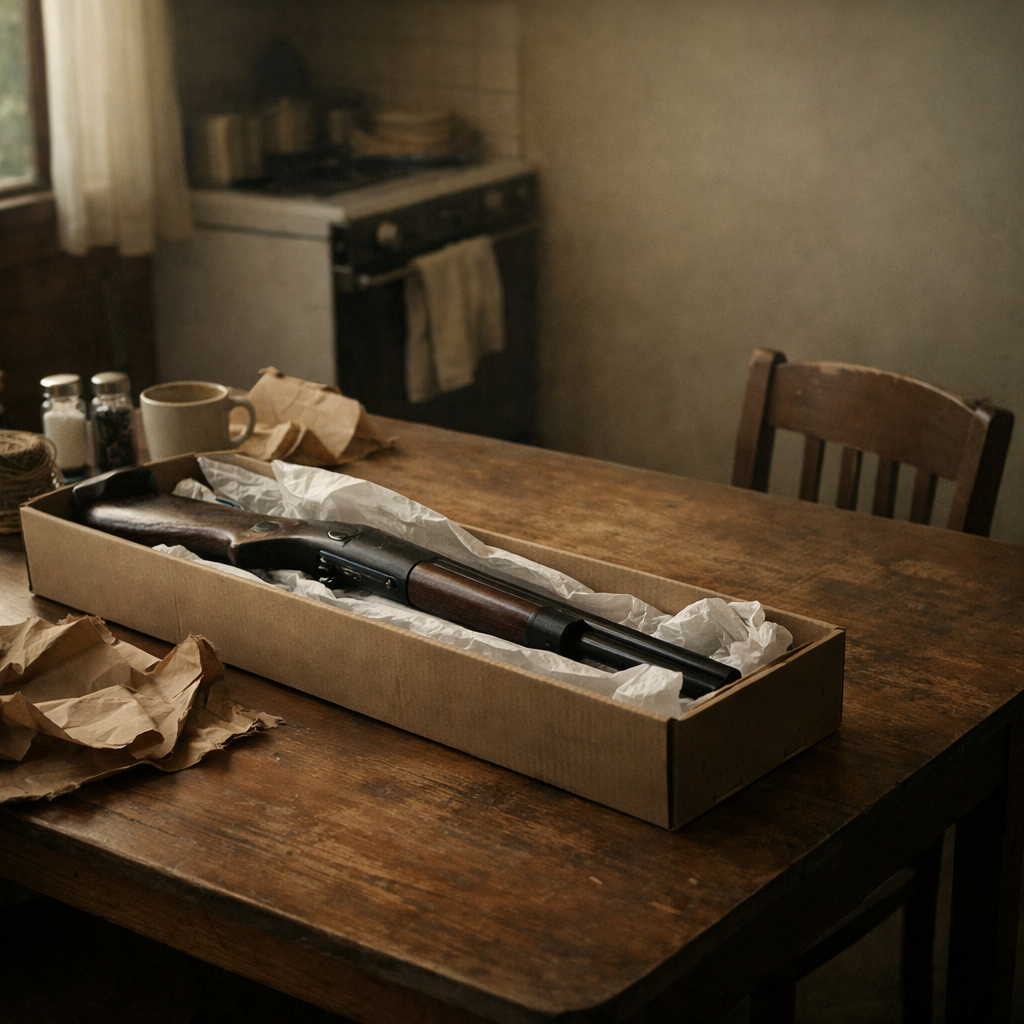
My uncle was a hunter. Every weekend during hunting season, he went out for rabbits, pheasants, grouse, and sometimes squirrels. He brought them home, and my grandmother prepared them. It was one of our main sources of food. In his bedroom, he kept his shotguns and rifles in a locked cabinet. He never let me or any other child near it. It was for adults only, he said.
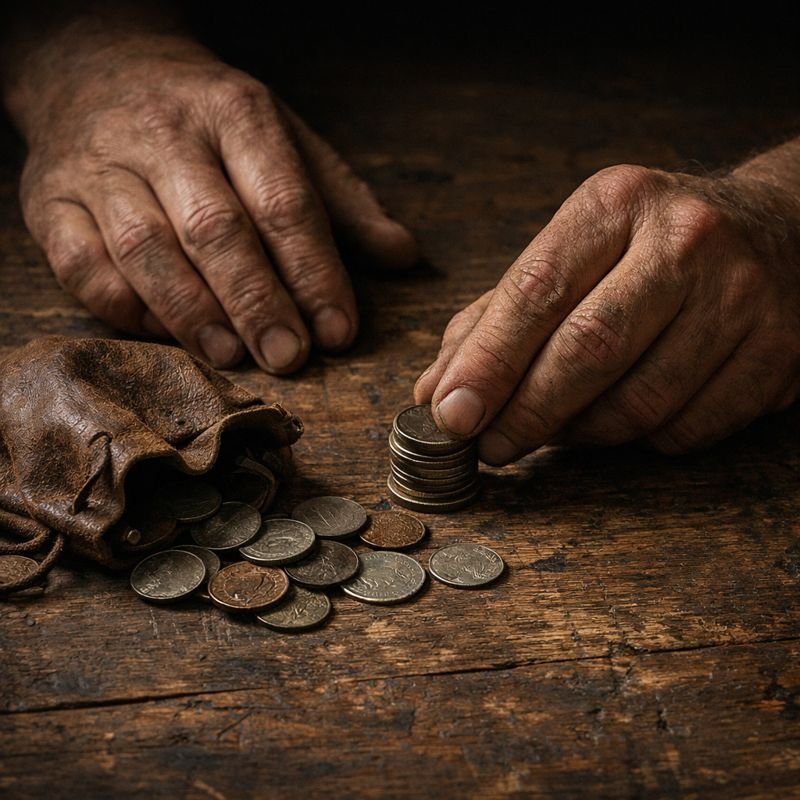
Counting the Cost of Repentance
In one way or another, we all count the cost of our actions. And if we are honest with ourselves, most of us haven’t done it very well. Too often our decisions are based on how we feel in the moment, under stress, under pressure, or while trying to escape pain. We act without fully understanding the consequences of what we’re choosing. That’s not surprising. We’re fallen people, limited, emotional, and broken. We aren’t Jesus Christ, who alone was perfect.
What Living in Africa Taught Me About Real Repentance
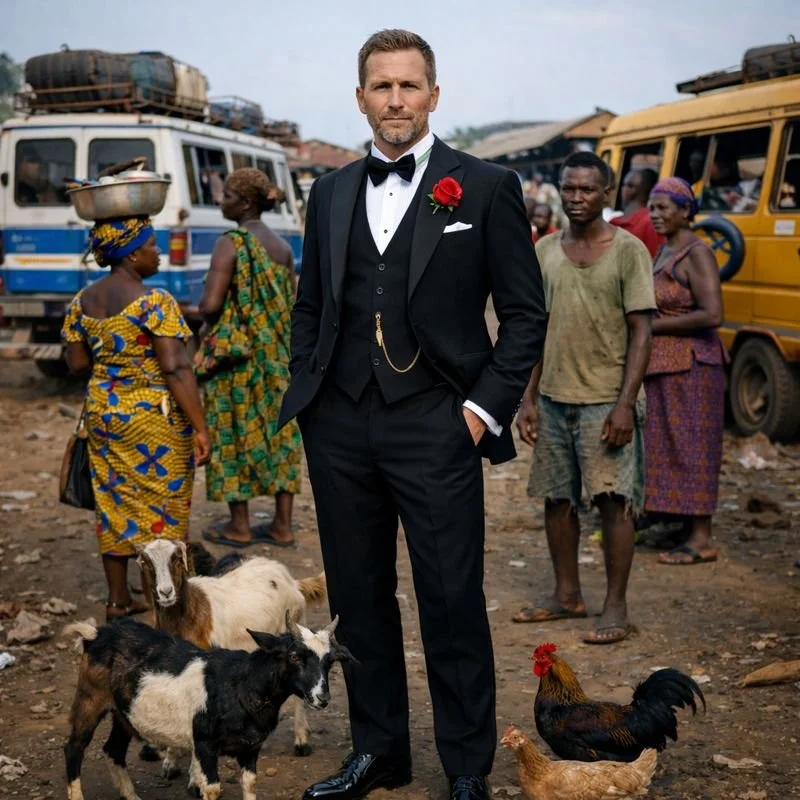
Recovering from a severe malaria attack, I sat in the living room of my bungalow watching geckos hunt flies on the pink and baby blue walls. Shirtless, I looked down at my concave belly, I hadn’t eaten in five days, and saw scores of white, mini crabs crawling across it and maneuvering around the beads of sweat pooling here and there. Scabies, I thought. What fun.
Sacrificial Giving Part 4: Give Like Jesus
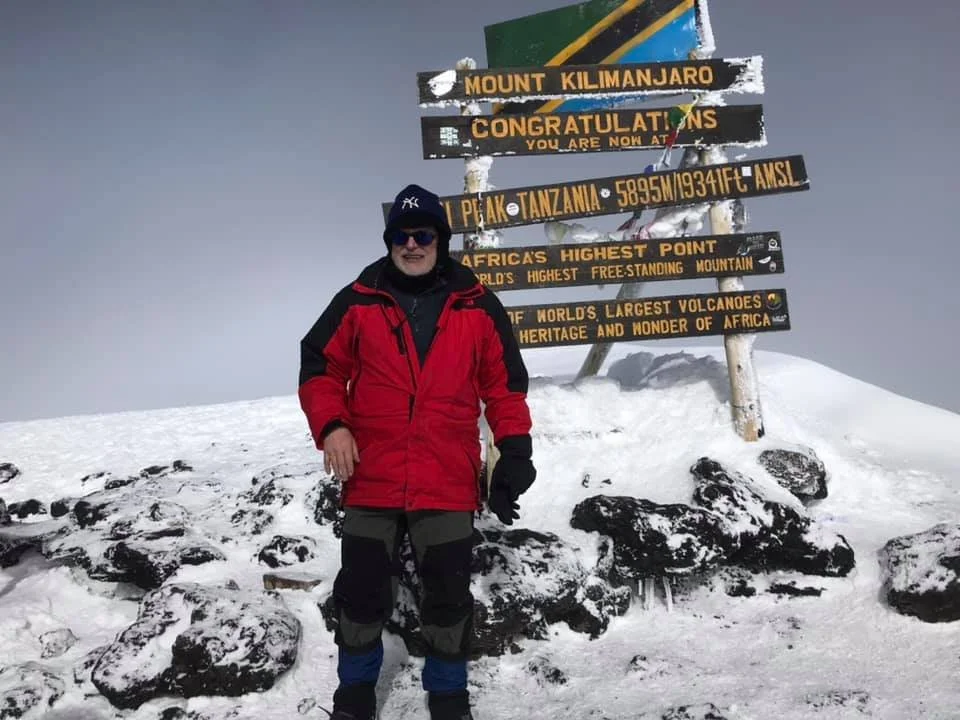
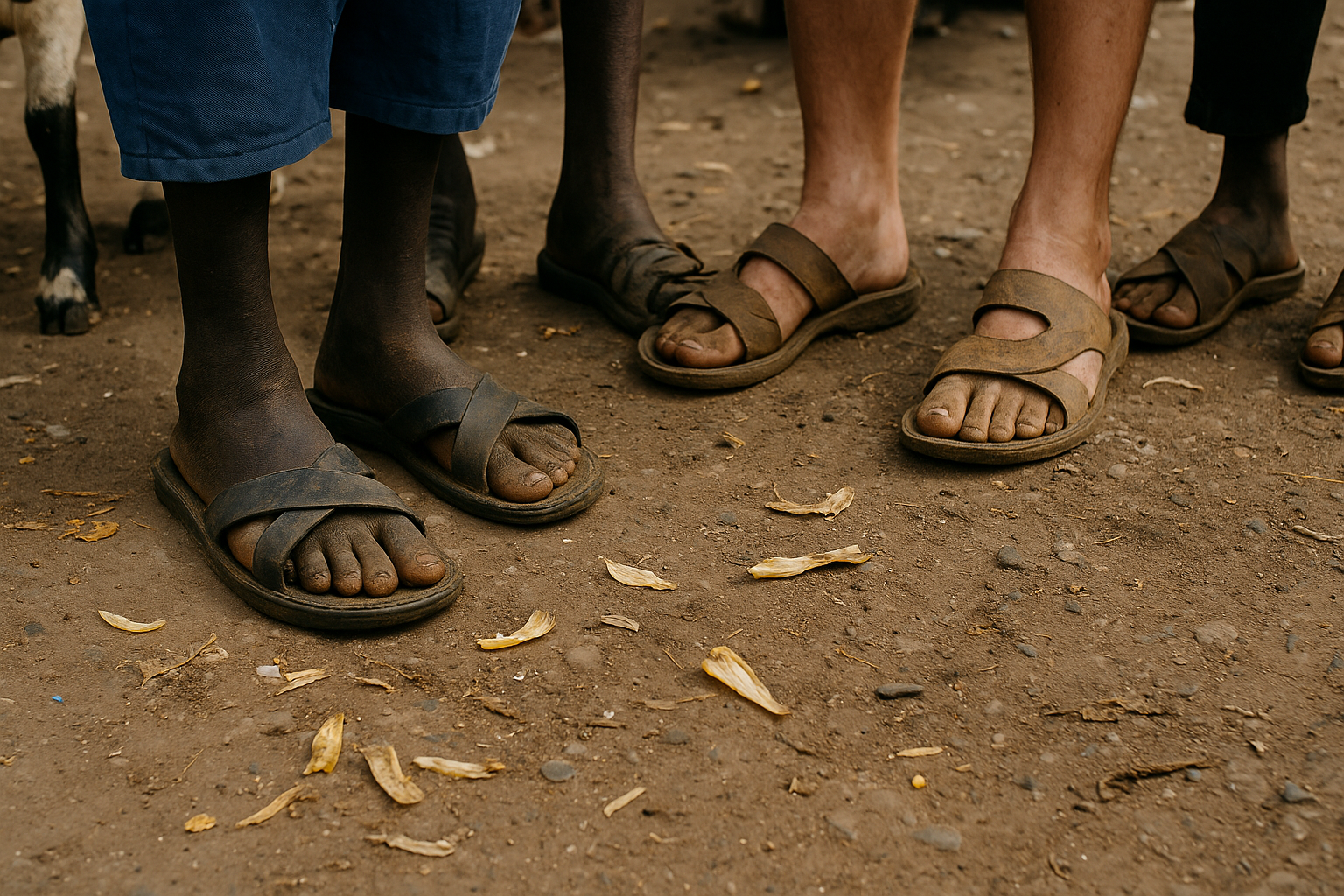
I love Africa and its people. Ghanaians saved my life once or twice, fed me when I was hungry and cared for me when I was sick. It was from them that I learned about true kindness. But Ghana was very poor country in the early 1980s and lacked modern infrastructure. So, I also learned the true meaning poverty, corruption and, to the point of this story, dirty feet.

Sacrificial Giving Part 3: Sacrificing for the Wrong Reasons
The Bible says that we need to honor our fathers and others. So, as I talk about my stepfather, please don’t misunderstand me, I do not dishonor him. As I’ve grown older, I’ve come to realize that my stepfather was a broken man who, in a paraphrase of Scripture, “did not know his right hand from his left.” (Jonah 4:11) As he was lost, so was I was once lost. So, believe me when I say that I have forgiven him, as Christ has forgiven me. He did the best he could with what he believed he had. He just didn’t believe he had more.
Sacrificial Giving Part 2: The sacred Cost of Giving
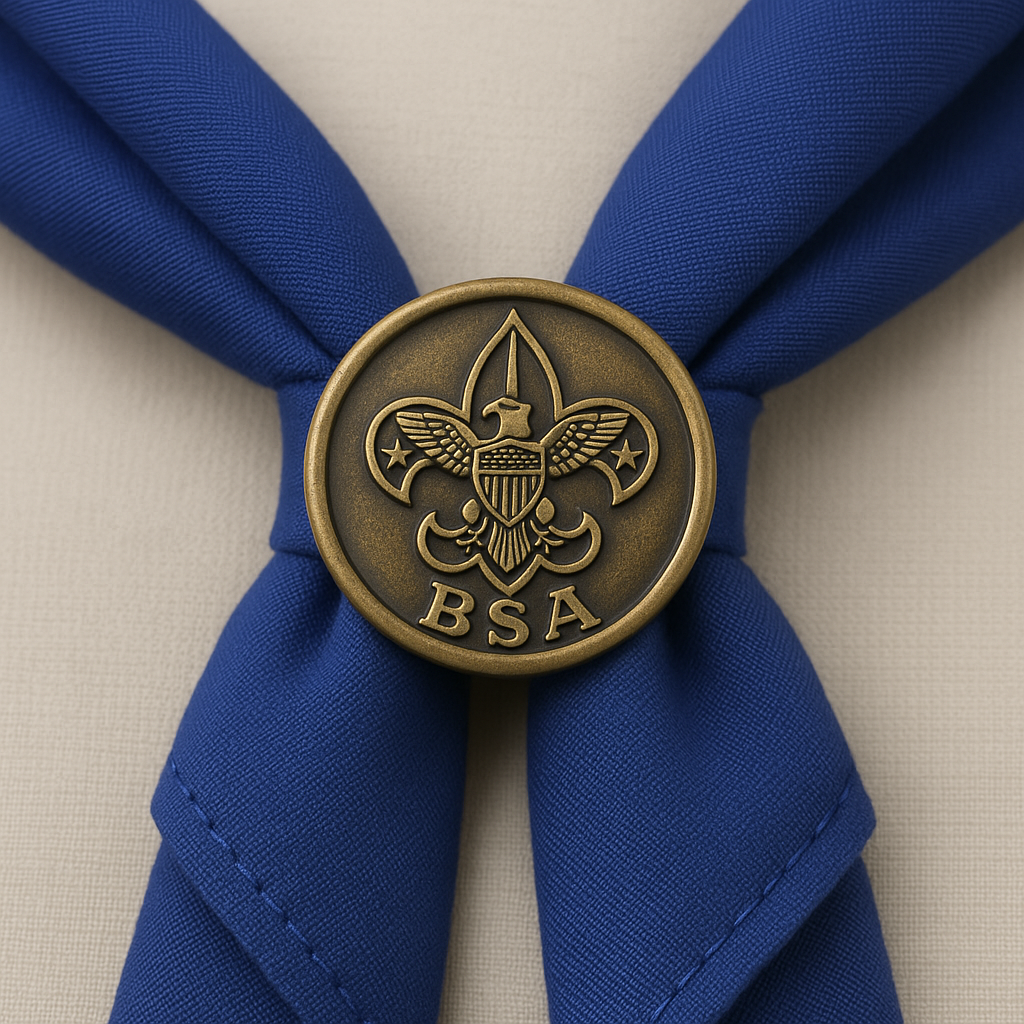
As a Boy Scout, I took great pride in my uniform. My grandmother bought it for me when my parents were too poor to afford one, and I cherished every stitch of it. I felt special. I didn’t have much in the way of material possessions, we were just too poor. Most of the other scouts had full uniforms. I often felt separate and different because of our poverty. The uniform changed that, because it made me equal to the others. I had it all—the shirt with all my badges sewn on, pants, belt, socks, hat, sash covered in merit badges, my neckerchief, and the neckerchief slide. It was the finest and most dear thing I owned.

Time for Sacrificial Giving - Part 1
My parents divorced when I was very young—maybe two or three years old. My mom and I moved into a three-bedroom apartment already filled with my grandparents, two uncles, an aunt, and a cousin. For me, this was paradise. There was always someone to hold me, play with me, or simply spoil me.